Laser Cleaning
Revolutionizing HVAC Maintenance
with Laser Cleaning Solutions
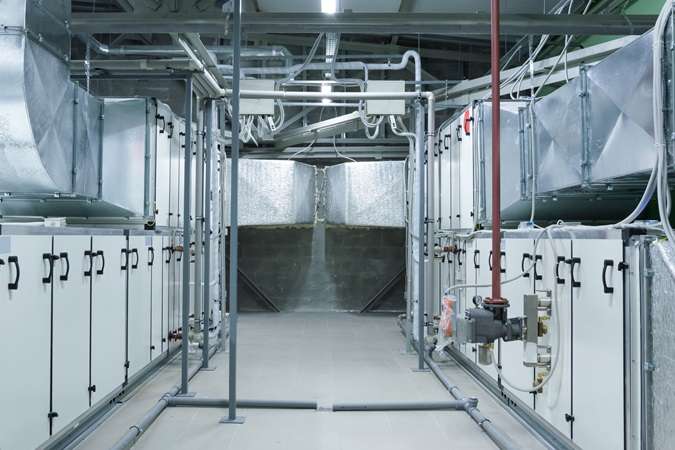
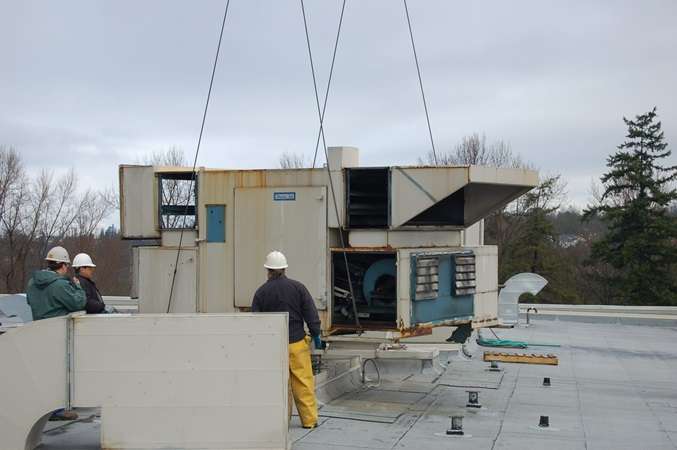
System Laser specializes in tailored laser cleaning solutions for HVAC systems, removing contaminants such as corrosion, dirt, and biofilm with the highest degree of precision. With more than 60 years of experience, we ensure optimal system performance and longevity, while maintaining equipment integrity, improving efficiency, and ensuring safety standards. We use eco-friendly methods that reduce environmental impact by reducing the use of harsh chemicals. Our HVAC systems are tailored to your unique needs, making them cleaner and more efficient.
HVAC System Maintenance
Corrosion Removal Expertise
Longevity and Efficiency
Safety Standards Compliance
laser partnerships


Precision Cleaning
Targeted Removal: Cleaning with lasers allows for precise targeting of smoke and soot deposits. This is especially noticeable on wood and stone surfaces, as well as painted surfaces.
Selective Layering: It is possible to adjust the laser to remove soot while preserving the original finish or texture of the material underneath at the same time.
Non-Abrasive Process
Contactless Cleaning: There is no need for the laser to contact the surface directly, thereby preventing abrasion to the surface, scratching to the surface, and other damages caused by soot.
Gentle on Surfaces: In contrast to other methods of cleaning, laser cleaning does not use chemicals or abrasives, so it is gentle on delicate or sensitive surfaces.
Environment Friendly
Reduced Chemical Use: Lasers eliminate the need for harsh chemicals usually used in soot removal. As a result, the environment is better protected and residents and workers are safer.
Minimal Waste Generation: Soot is vaporized or turned into fine particles that are easily collected, so little waste is generated. Minimal cleanup is needed, which makes the process efficient and eco-friendly.
Precision Laser Cleaning for HVAC Systems
Laser cleaning enhances HVAC efficiency by removing contaminants safely, protecting components, and reducing environmental impact. As long as the system is kept clean, damage caused by buildup will not occur. Over time, this reduces energy consumption and maintenance costs.

Ensure Equipment Accessibility
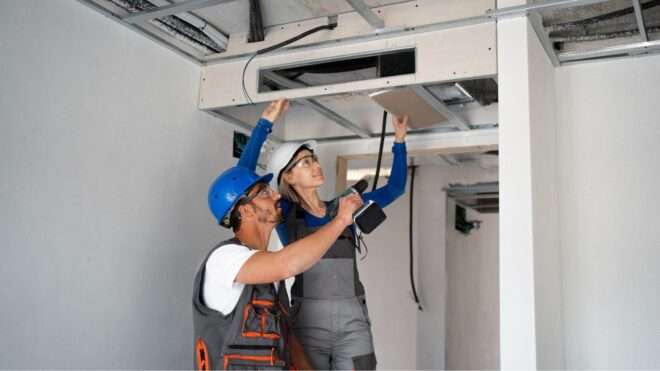
Cleaning hard-to-reach HVAC areas may require special tools or partial disassembly in order to accomplish the task.
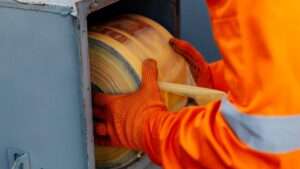
Prioritize Safety Measures
It is mandatory that laser operators wear protective equipment, secure the area, and follow strict laser safety protocols.
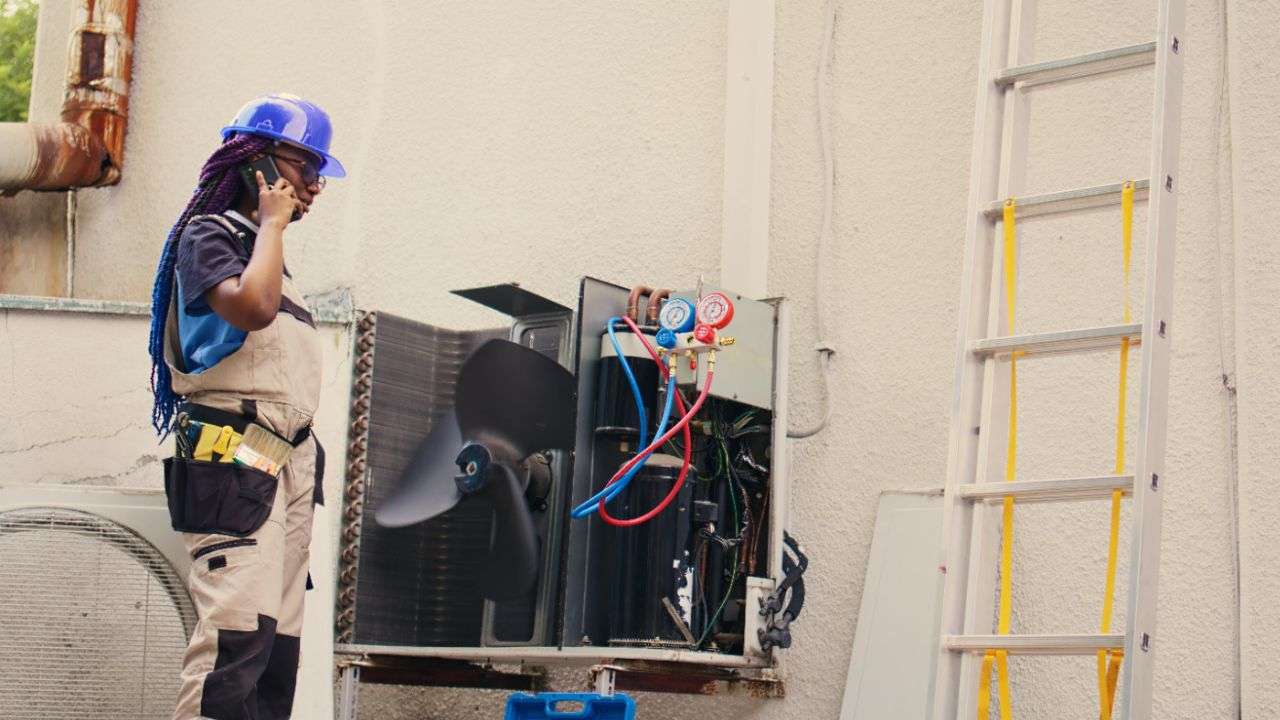
Protect Sensitive Components
The precision of lasers allows contamination to be removed without causing damage to delicate parts of HVAC systems.
Our
Mission
- Support customer success in all aspects of laser cleaning
- Provide top-tier laser equipment and services
- Support the growth of a skilled laser workforce
- Promote industry-leading best practices and knowledge
- Ensure safety and regulatory standards
Our Mission
- Support customer success in all aspects of laser cleaning
- Provide top-tier laser equipment and services
- Support the growth of a skilled laser workforce
- Promote industry-leading best practices and knowledge
- Ensure safety and regulatory standards