System Laser

Manufacturing

Laser Cleaning

Revolutionizing Manufacturing
with Precision Laser Cleaning Solutions

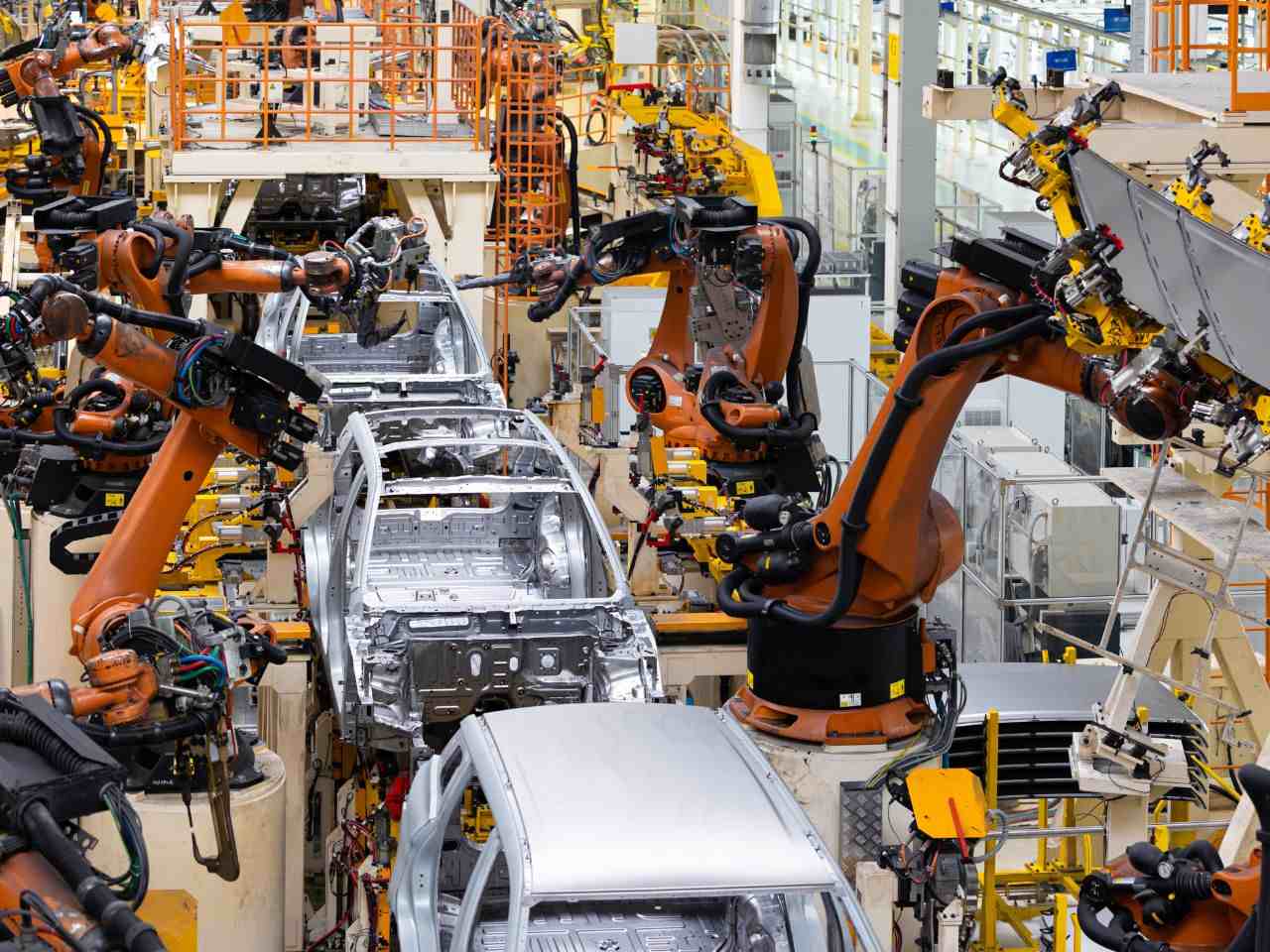
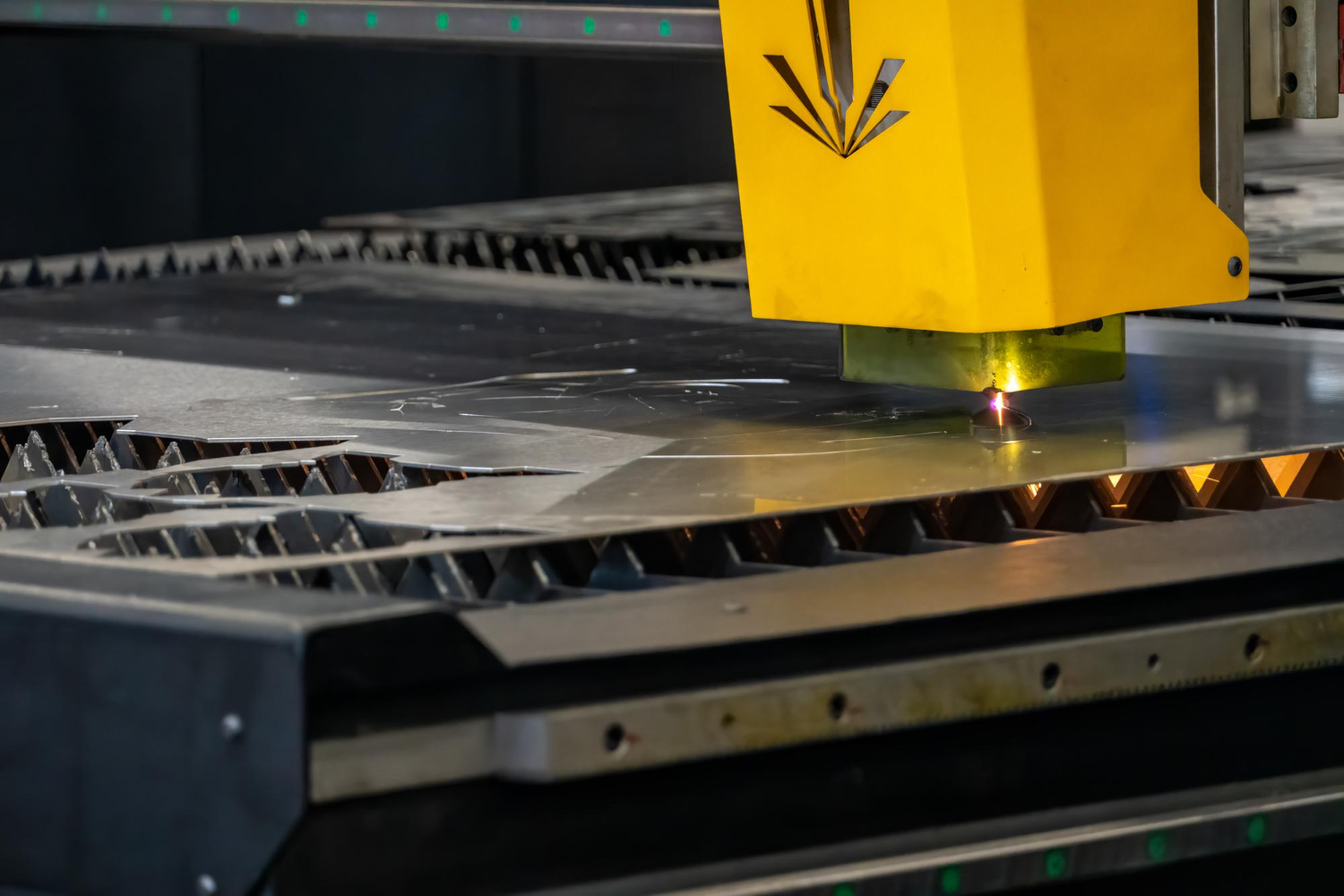
System Laser provides expert on-site service and equipment integration. Precision, safety, and environmental sustainability ensure cost-effective results that boost productivity. Laser cleaning setup and operation that is efficient and safe are our specialties. Our advanced cleaning technology and best practices reduce manufacturers' production costs. There are several unique requirements associated with each manufacturing process, so our team has the ability to customize laser solutions to meet these requirements, ensuring seamless integration into existing workflows. It is our goal to ensure that your equipment is maintained with minimal downtime and superior precision, enhancing its quality and longevity.

The aerospace industry demands precision, safety, and compliance when using laser cleaners, given the critical nature of components and stringent regulatory requirements.

System Laser delivers precision laser cleaning for aerospace components, ensuring substrate integrity and compliance with stringent industry standards. Backed by our 63-year mechanical construction legacy, we provide tailored cleaning services, equipment selection, and training to meet the exacting demands of aerospace clients, from small parts to large assemblies.

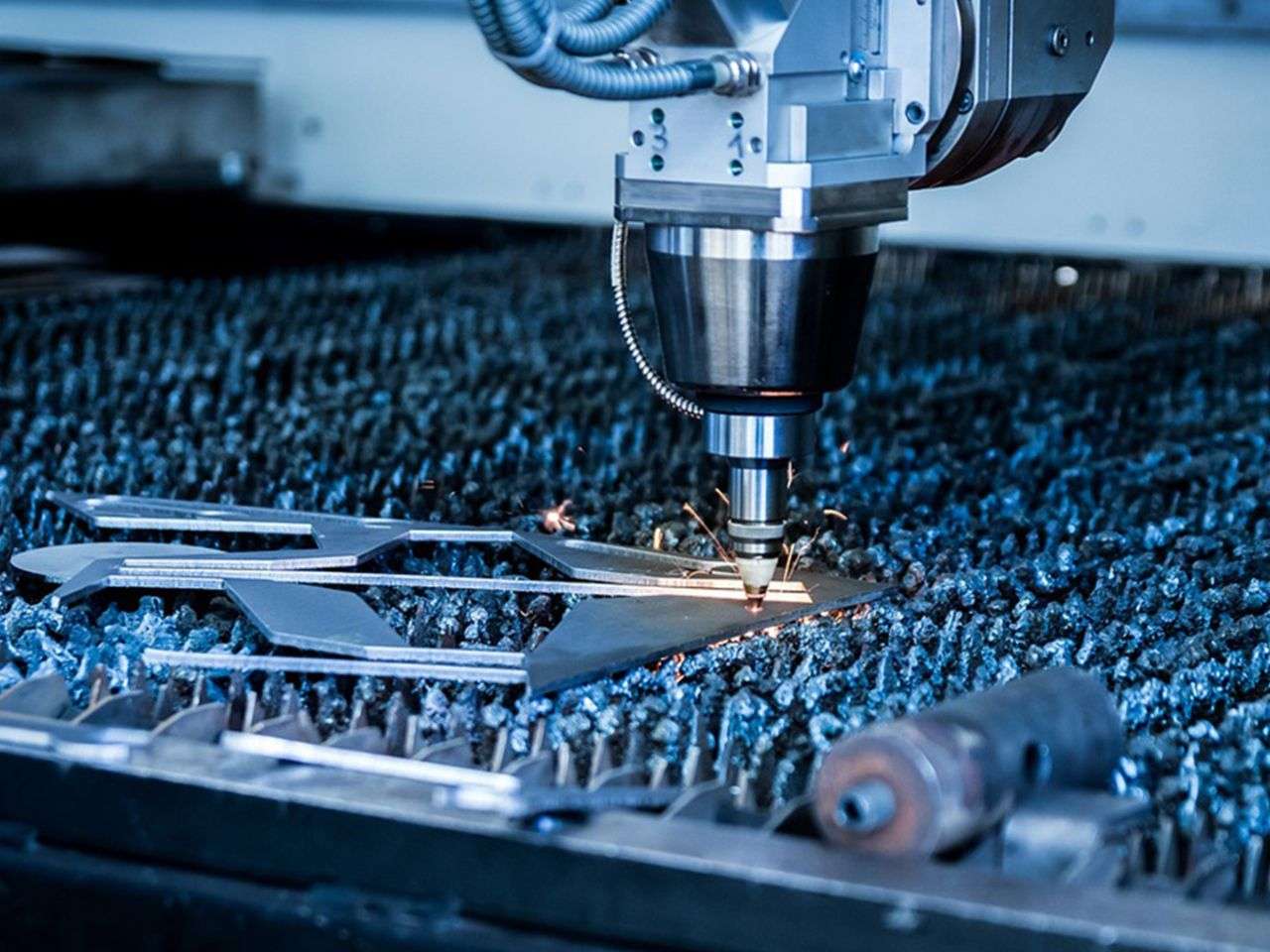
Our advanced laser systems remove coatings, oxides, and calcified deposits without damaging critical substrates like titanium or composites. We design safe, efficient processes with fume extraction and OSHA/ANSI Z136.1-compliant protocols, minimizing downtime and ensuring precision for applications like turbine blades, airframes, and weld preparation.

We partner with aerospace clients to select optimal laser equipment and provide comprehensive operator training, from material-specific settings to safety compliance.

Seamless Equipment Integration

Precision Cleaning Solutions

Enhanced Operational Safety

Eco-Friendly Technology

laser partnerships

Surface Material and Contaminant Types

Depending on the surface, laser cleaning might not be suitable for metals or ceramics. By using the laser, rust, oxides, oil, grease, paint, and other residues can be removed from surfaces without damaging them in any way. The settings may need to be tested in order to optimize them. Maintaining the integrity of delicate materials requires careful control of the power and focus.

Power and Laser Type

Laser Power: High-power lasers (e.g., 100W to 500W) are recommended for industrial applications. A lower power is ideal for delicate surfaces.

Laser Type: If you are looking for a laser that will be able to clean accurately and non-destructively, pulsed lasers are superior to continuous-wave lasers which may have higher thermal impacts.

Safety and Environmental Considerations

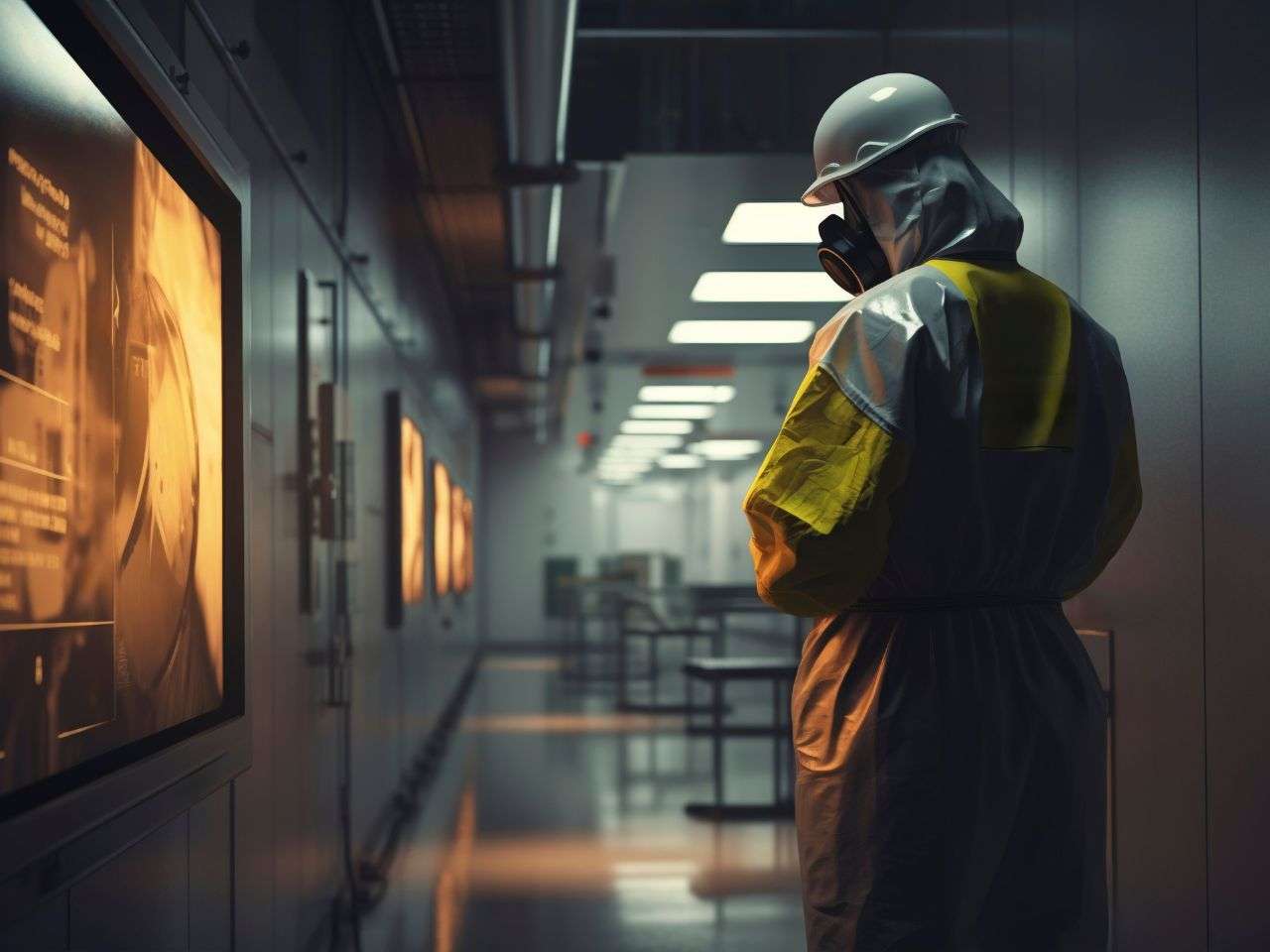
Protective Measures: It is important to wear laser goggles, ventilation, dust collection systems, and personal protective equipment (PPE) when laser cleaning.

Work Area Design: Enclosures and interlocks for laser operation help mitigate risks, especially for higher-powered systems in areas where personnel are present.

Environmental and Regulatory Compliance

There are safety and regulatory challenges associated with laser cleaning, which is a modern, efficient, and eco-friendly method. For safe and effective operation, it is essential to comply with environmental standards and occupational safety regulations.

Eco-Friendly

Laser cleaning does not require solvents, unlike chemical cleaning. It is still necessary to manage and filter particulate waste.
OSHA and Other Standards

There are a number of safety regulations that must be followed, including those governing laser safety (ANSI Z136 standards).

Protective Measures

Ventilation, dust systems, enclosures, and PPE like laser goggles minimize the dangers of fumes, bright lights, and particulates.
Process Control and Repeatability

Automation Potential: The integration of robotics or automation can significantly enhance the efficiency of laser cleaning and reduce the number of manual interventions.

System Programming: The process of cleaning can be sped up and improved by programming repeatable laser settings in order to increase efficiency.

Energy and Maintenance Costs

Operational Efficiency: While laser cleaning typically requires less energy than abrasive or chemical cleaning, the power supplies needed to operate them can be quite large.

Maintenance: It is vital that laser systems are calibrated and maintained in order to ensure that they will continue to work effectively in the future.

Scalability and Adaptability

Modularity: Depending on the evolving needs of a facility, some laser systems offer modular setups that can be modified or expanded. It can easily be upgraded to meet future requirements without requiring a complete replacement.        

Surface Versatility: For businesses with a variety of cleaning requirements, it is advantageous to have a system that can easily switch between settings for different applications during the cleaning process.

0 +
Years of Experience

Our
Mission

Our Mission

0 +
Years of Experience